Showing posts with label Low density lipoprotein. Show all posts

Tuesday, June 19, 2018

High density lipoproteins (HDL)

High density lipoproteins or HDLs are molecules that carry excess cholesterol from different body tissues back to the liver, where the cholesterol is converted into bile acids and then eliminated through the intestines.

HDL is the smallest and densest of the lipoproteins, containing the highest proportion of protein to cholesterol. In a normal healthy individual, HDL carries about 20-30% of total plasma cholesterol, whereas LDL (low density lipoprotein or bad cholesterol) carries about 70%.

HDL has various functions. It is atheroprotective, primarily through its role in transporting cholesterol from macrophages and other cells to the liver for excretion into the bile, a process termed reverse cholesterol transport. Reverse cholesterol transport is the method by which HDL removes excess cholesterol from tissues and arteries, and returns it back to the liver for recycling and excretion, interrupting the process of atherosclerosis (narrowing of the arteries) at key stages.
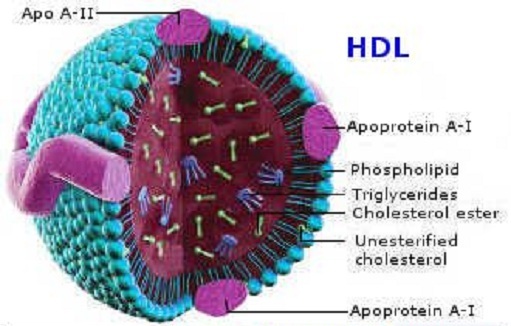
Thereby, the optimal cellular cholesterol concentrations essential for proper cell function and viability are maintained, and excess cholesterol which is toxic to macrophages is removed. It also has antioxidant, anti-inflammatory, and anti-thrombotic properties which contribute to its atheroprotective effect.

Approximately 9 mg cholesterol per kilogram body weight is synthesized by peripheral tissues every day and must be moved to the liver for effective catabolism. High levels of HDLs are linked with a decreased risk of cardiovascular disease. This is why it is often called “good cholesterol.”
High density lipoproteins (HDL)

Saturday, May 5, 2018

Low density lipoprotein

Low Density Lipoprotein (LDL) is cholesterol packaged in a protein and phospholipid coat. Cholesterol is insoluble, so it must be encased in this coat to facilitate transport in the blood. LDL is the major cholesterol carrier in the blood. It circulates throughout the body and is available to all cells.

During the transportation, the ratio of triglyceride to cholesterol and protein changes, causing change in density and weight since triglyceride is lighter than cholesterol. This is reflected in the name such as low-density lipoprotein or LDL(rich in triglyceride) and high density lipoprotein or HDL (less triglyceride and higher percentage of cholesterol and protein).

High levels of LDLs is in the bloodstream are associated with clogged arteries high blood pressure, stroke and heart disease.

This is why LDL is sometimes referred to as “bad cholesterol.” Fortunately, many people can reduce their LDL levels through proper diet.

Diets high in saturated fat trans-fat, and cholesterol increase LDL. Saturated fats are primarily from animal sources. Coconut oil, palm oil and palm kernel oil are also saturated fats.
Low density lipoprotein

The Most Popular Posts all the time